Tag Archives: #archaeology

Lecture Series 2026: LIVES & LEGACIES ~ A House in Crisis

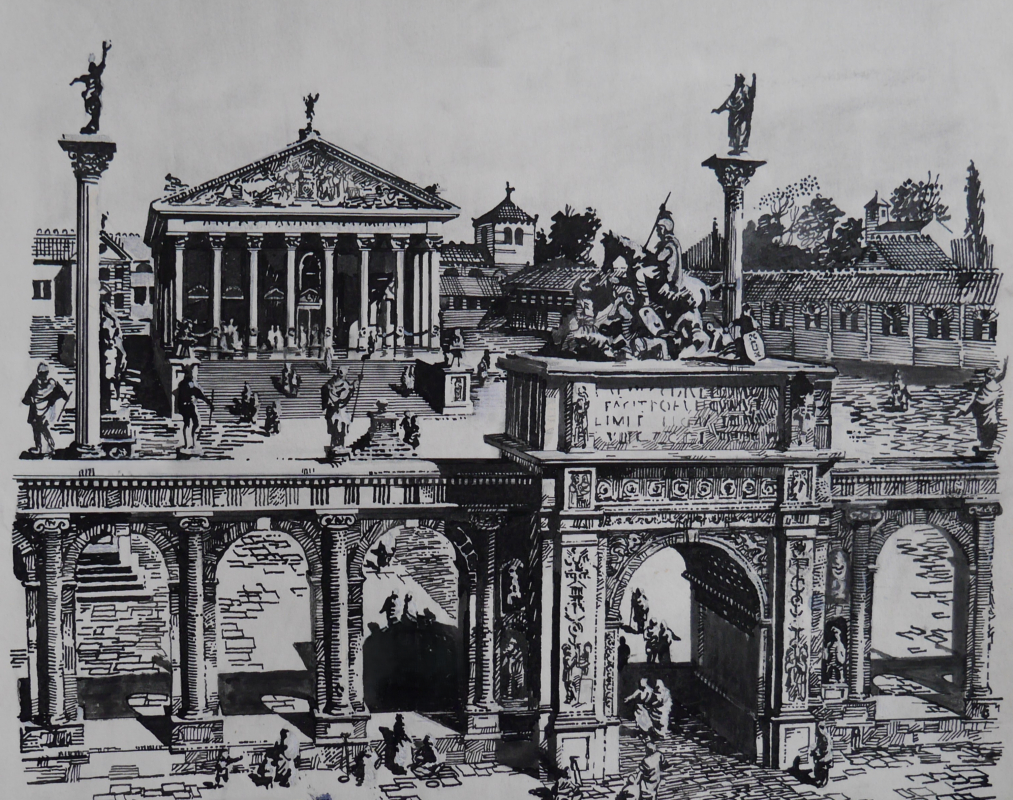
Join Colchester Archaeological Trust for A House in Crisis: Who Buried the Fenwick Treasure?, a lecture by Adam Wightman exploring one of Roman Colchester’s most dramatic archaeological discoveries. In 61 CE, Boudicca’s forces overwhelmed the town, leaving buildings burned and lives suddenly disrupted. Beneath the charred remains of one house, archaeologists uncovered a remarkable hoard of Roman gold and silver hidden in haste beneath the floor.

Drawing on the Fenwick Treasure and the burnt remains of everyday household life, this talk asks who lived there, where they came from, and what their possessions reveal about early Roman Colchester.

Lecture Series 2026: LIVES & LEGACIES ~ More Than Bricks and Mortar

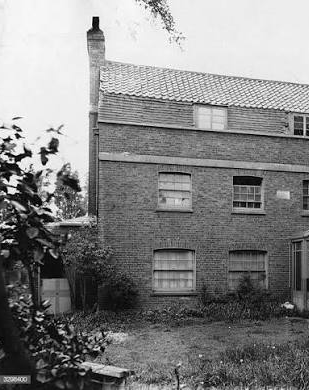
Join Colchester Archaeological Trust for More Than Bricks and Mortar: Historic Buildings and the Lives Within, a lecture by Chris Lister exploring how historic buildings preserve the stories of the people who lived, worked, and left their marks within them. Drawing on CAT projects, the talk reveals hidden lives through building recording, documentary research, garrison graffiti, and other intriguing examples from Colchester’s past.

Lecture Series 2026: LIVES & LEGACIES ~ Power and Stone

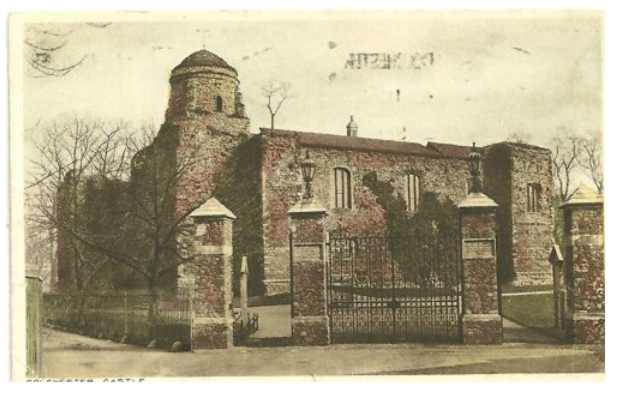
From September 2026 until July 2027, the Bayeux Tapestry will be on loan to the British Museum. The famous tapestry illustrates the Norman Conquest of 1066; a major legacy in Colchester is our magnificent castle, built by Eudo Dapifer, the Aristocratic steward of William the Conqueror.

Howard will discuss Eudo Dapifer and the building of the castle, as well as the local context of Norman-period stone houses and churches in Colchester.

Lecture Series 2026: LIVES & LEGACIES ~The Lexden Lady

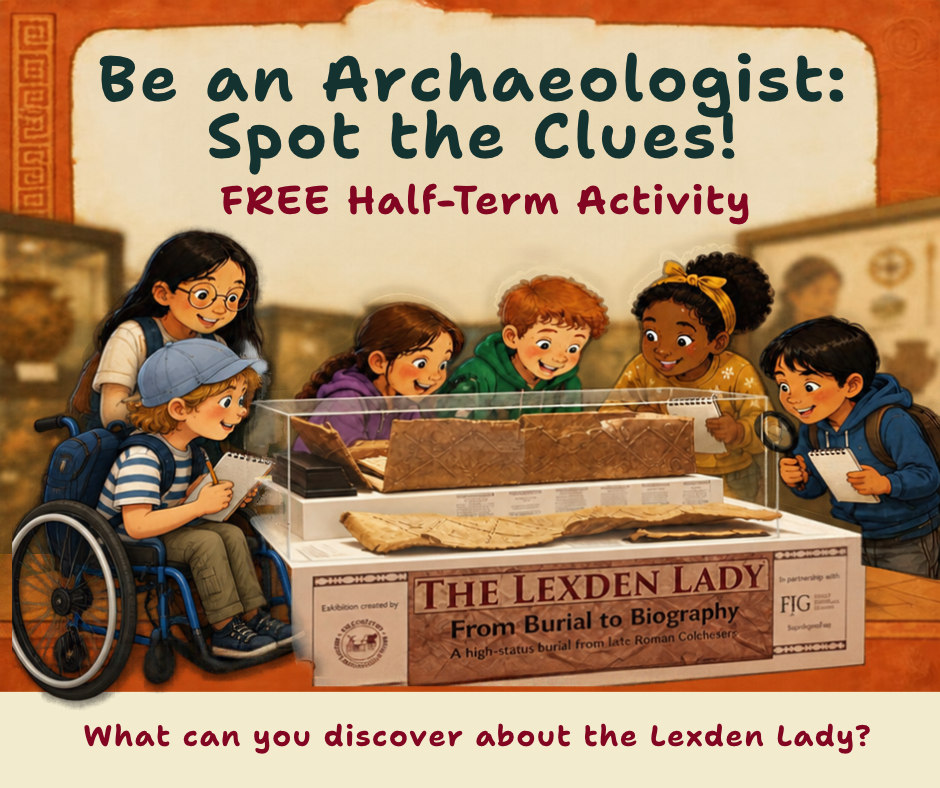
In 2024, the richly furnished burial of a high-status Roman woman was discovered in Lexden, Colchester. No expense was spared in preserving and protecting her body for safe passage into the afterlife. Buried within a beautifully decorated lead coffin, both frankincense and gypsum were found inside, along with jet hairpins. Even more remarkable were the remains of bronze fittings from a bespoke basketry casket which held seven rarely found glass flasks. The Lexden Lady’s burial reveals that Colchester remained a desirable place to live for social elites in the late Roman period, when many of the wealthy were moving to country villas.

×