Colchester Archaeological Trust
COMMERCIAL SERVICES
contact us
Colchester Archaeological Trust was founded in 1963 to research and promote the archaeology of Colchester. Working out of our offices and Visitor Centre, at the site of the only known Roman circus in the UK, our professional unit operates throughout Essex and Suffolk and provides developers and homeowners with range of archaeological services required to support pre-planning application investigations, or to discharge planning conditions.
CAT is a Registered Organisation with the Chartered Institute for Archaeologists (CIfA) and our work is undertaken in full accord with their professional standards and Code of Conduct.
Whether a large developer or a homeowner planning a small extension we aim to provide excellent customer service to our clients and our team will provide advice and guidance throughout each stage of your project.
To read our testimonials, please click here.
ARCHAEOLOGICAL SERVICES OFFERED
DESK-BASED Assessments
Desk-Based Assessments are usually required as the first stage of archaeological investigation in support of a planning application. Through in-depth research into historic mapping, documents, existing archaeological reports and archives, an assessment is made of the heritage potential of the proposed development site and also the impact that the development will have upon that heritage. This assessment can then be used to mitigate the impact and manage the financial and time implications that heritage and archaeology may have on a development’s programme.
FIELDWALKING and metal detecting
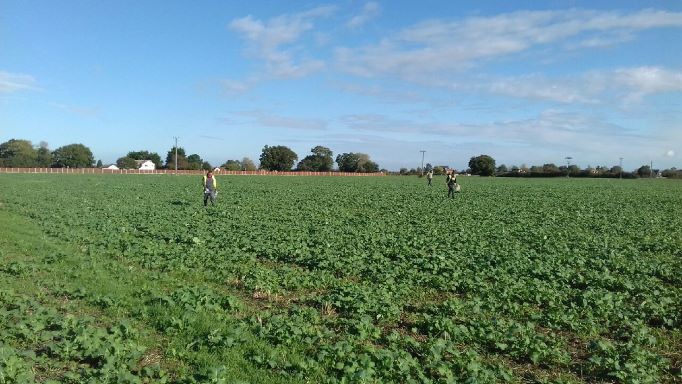
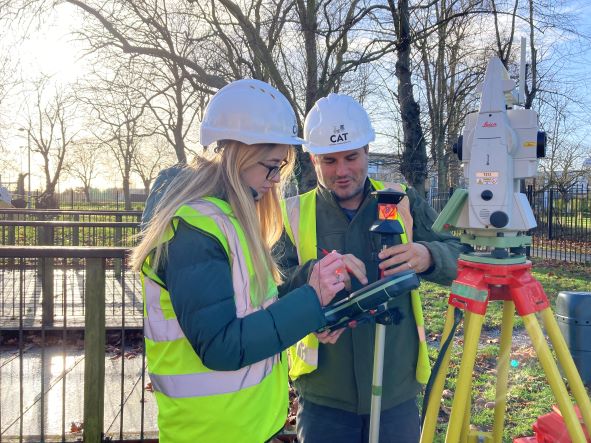
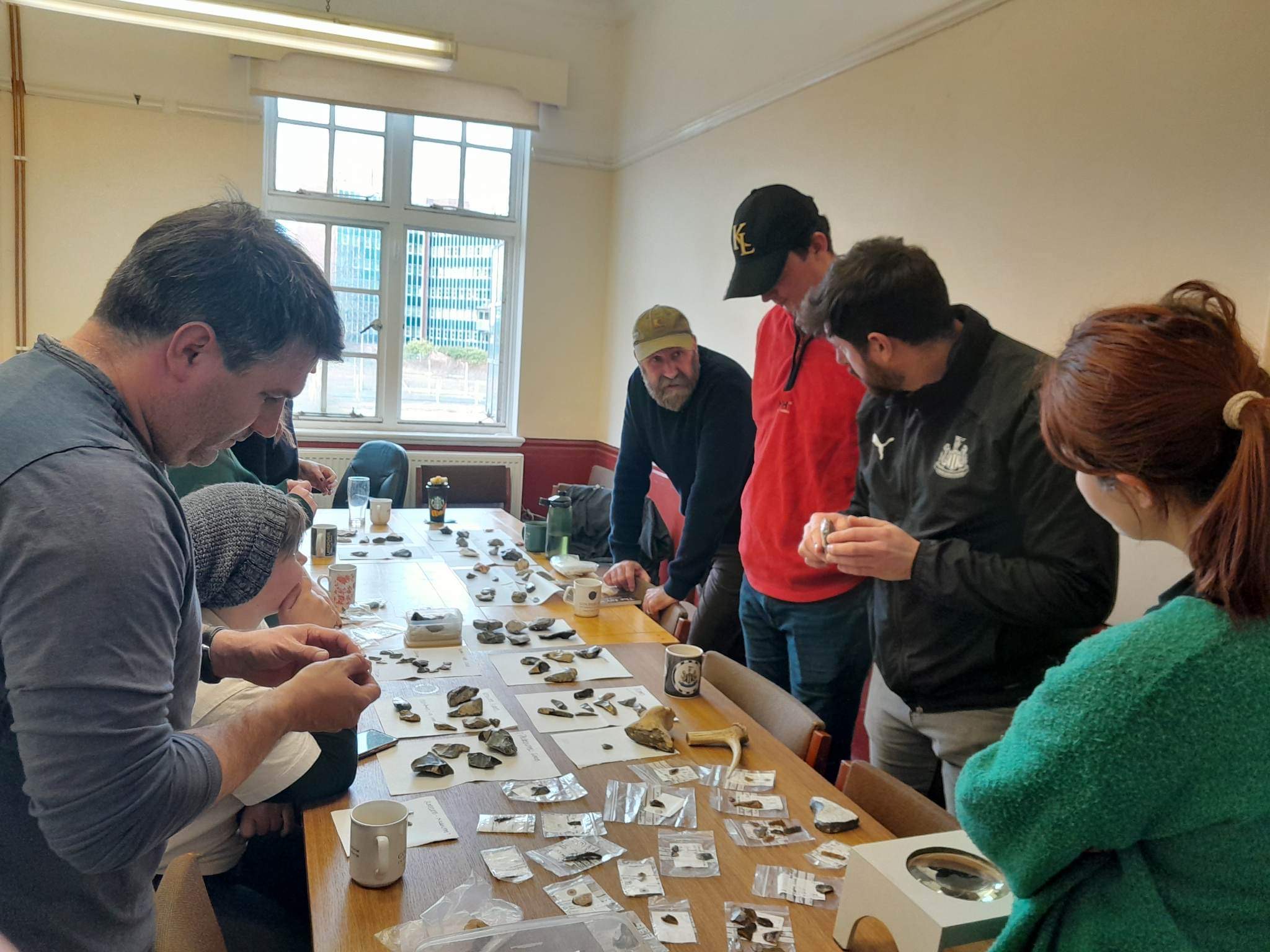
Fieldwalking and metal detecting surveys are relatively inexpensive and rapid methods of identifying the archaeological potential of rural sites. Grids are set out on recently harrowed fields and archaeologists then walk the field recovering and recording surface finds. The identification, density and spot date of these finds informs an initial appraisal of the archaeological potential for the site.
TRIAL-TRENCHED EVALUATIONS
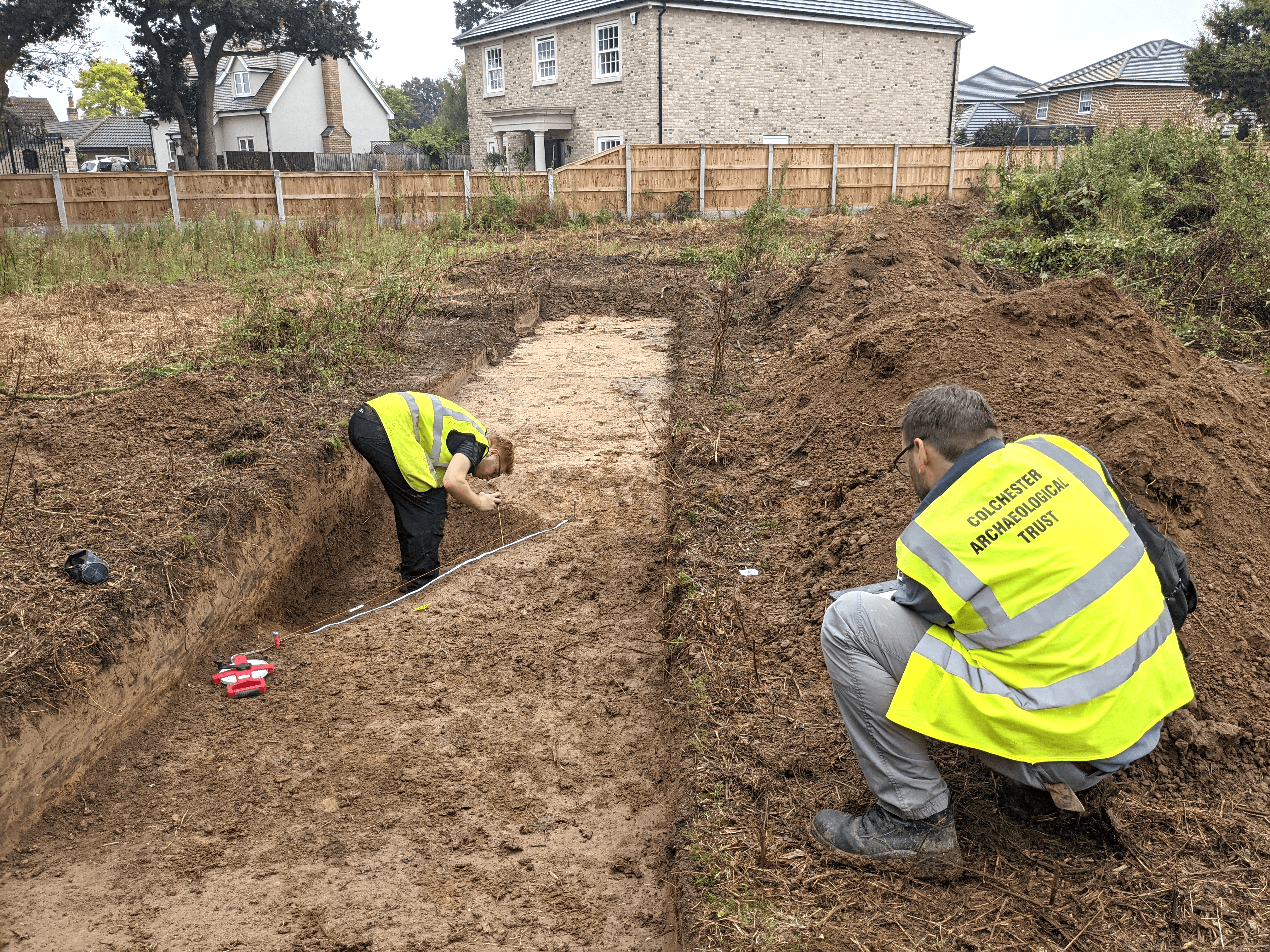
Undertaken in accordance with a Written Scheme of Investigation (usually produced in response to a Brief provided by a Local Authority archaeological advisor) trial-trenched evaluations are required to confirm the presence or absence of archaeological remains on a proposed development. Trenches can either be targeted at the footprints of a development or for larger areas a sample that evenly covers the area is required, usually 5%. Trenching may also be used to “ground truth” the results of geophysical, fieldwalking surveys or cropmarks identified from aerial photography. A report on the evaluation will be prepared and this will be used by the Local Authority to decide if further archaeological work may be required.
EXCAVATIONS
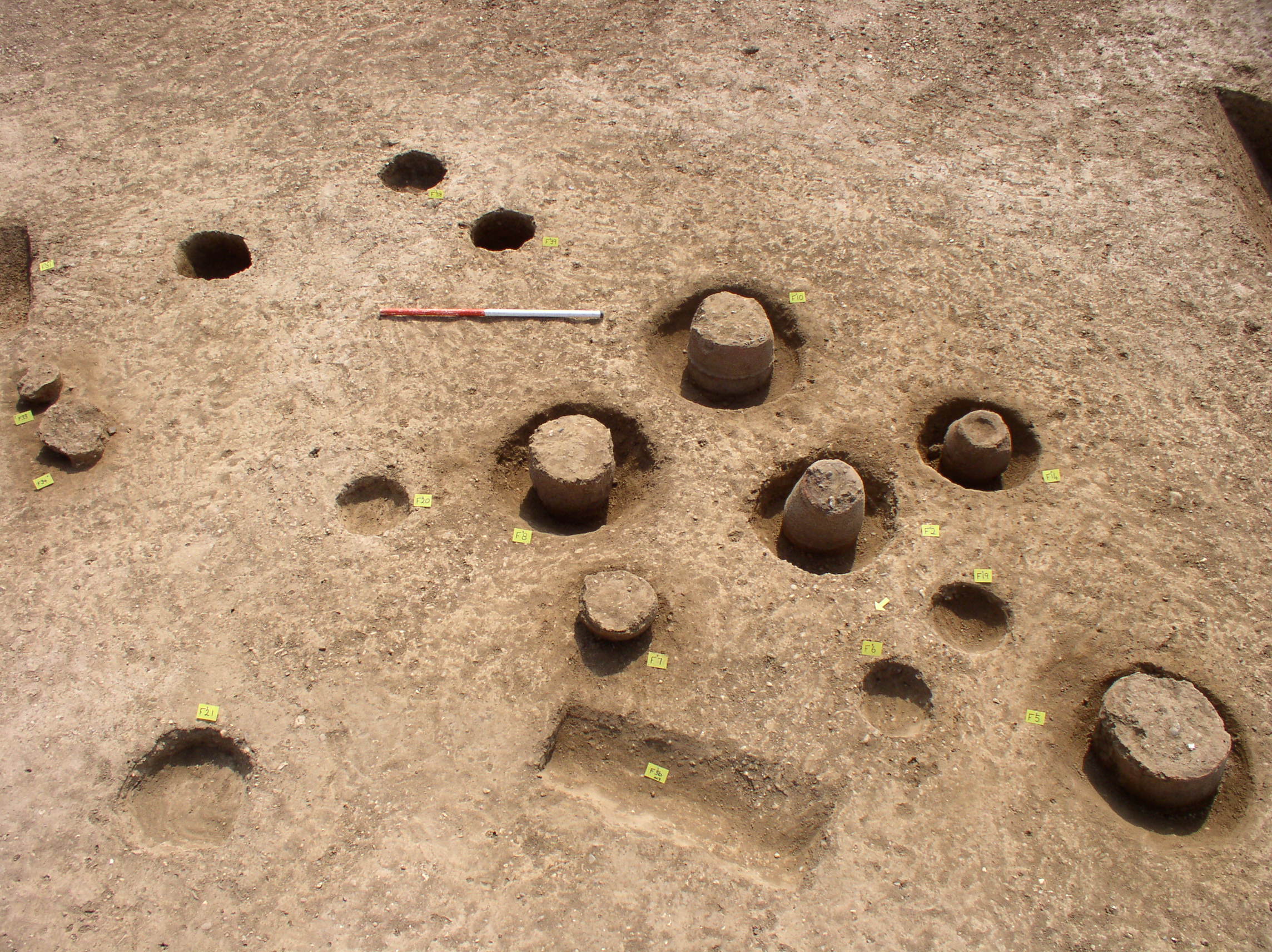
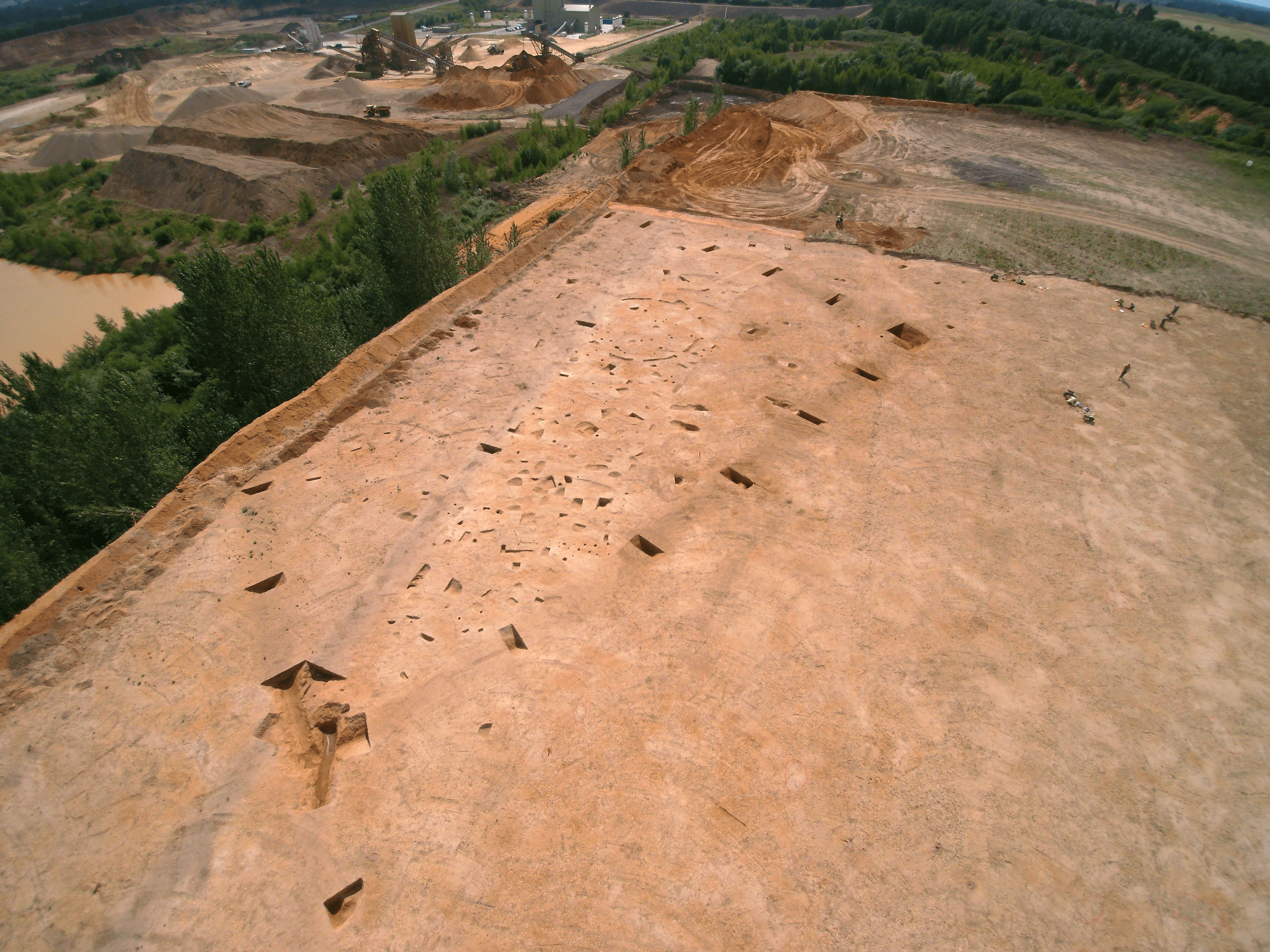
Where evaluations identify significant archaeology and alternative mitigation strategies cannot be achieved the Local Authority will require the site to be fully excavated. This will usually be undertaken as a condition on the planning consent and will need to be completed prior to construction commencing. The excavation area will be mechanically stripped of topsoil and overburden down to the first archaeological horizon and then all archaeological features will be carefully hand-excavated, drawn, photographed and planned in the process known as preservation by record. The results will then be analysed and prepared in a report that will secure full discharge of the archaeological condition and which may require publication.
Excavation is the most costly and time consuming form of archaeological work and will be overseen by CAT’s suitably qualified and highly experienced senior staff leading a team of professional archaeologists. Close liaisons with the client and the Local Authority will be maintained throughout the project to ensure the work is undertaken within budget and on time.
MONITORING AND RECORDING (WATCHING BRIEF)
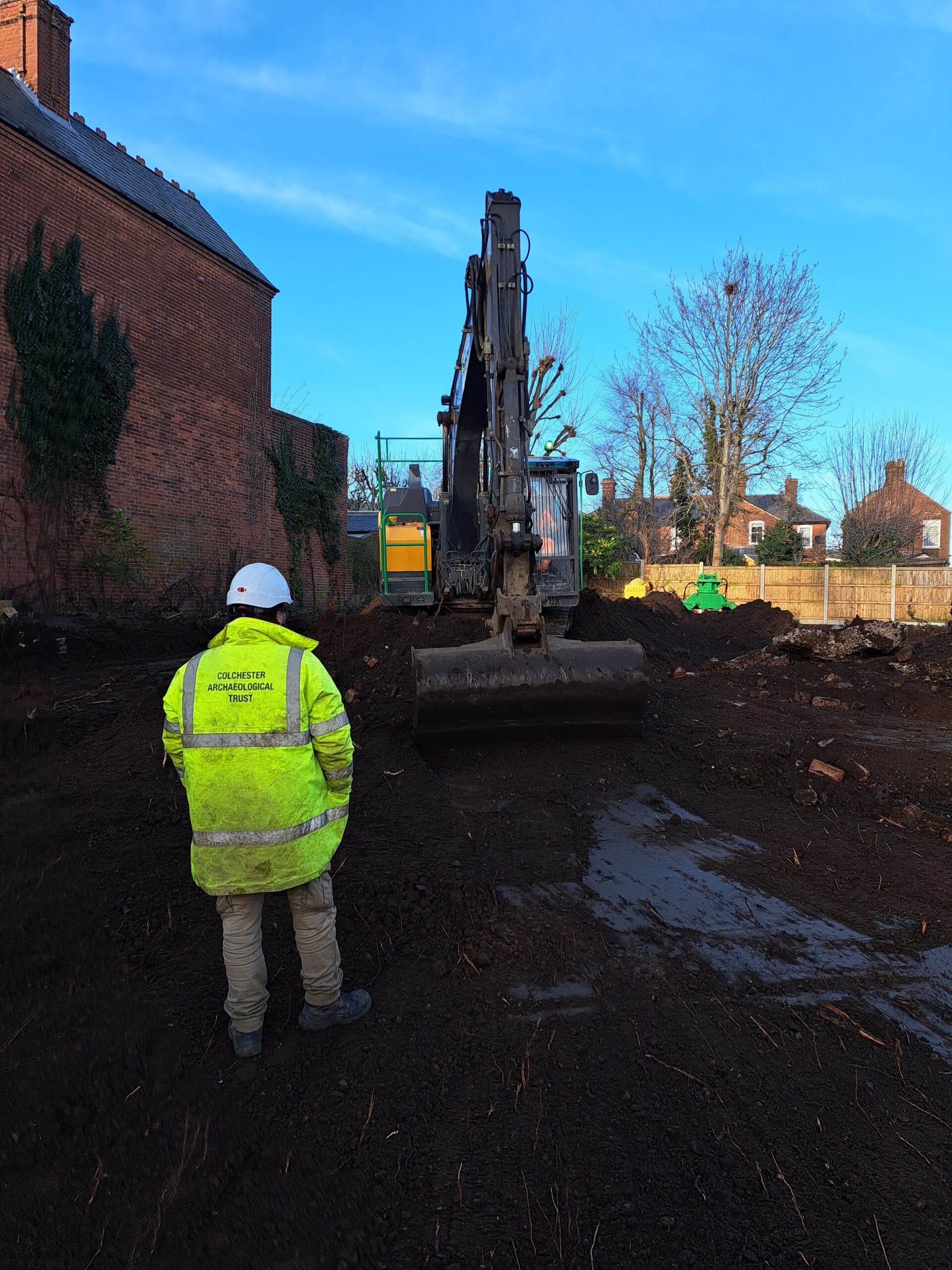
Monitoring and Recording, also called a Watching Brief, is usually required for smaller sites with a lower potential for archaeology, or sites where evaluation has identified a need for further work but not full-scale excavation. Intrusive groundworks will be monitored by one of our archaeologists whilst causing as little disruption to the developer as possible. However, an allowance in time should be factored into the construction programme to record any remains disturbed by the development. A report will be prepared on the findings of the monitoring and submitted to the Local Authority.
historic building recording
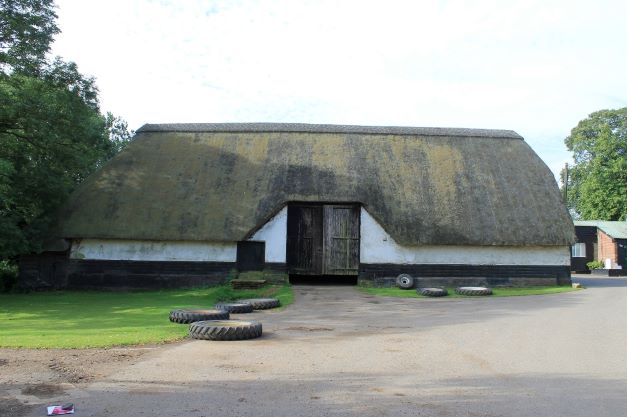
Historic Building Recording is usually a requirement of Planning Consent for Listed Buildings or buildings within Conservation Areas and can range in complexity from simple photographic surveys to complex structural surveys. A detailed survey of the building will be made, comprising of photographs and measured plans, and documentary and cartographic research into its history undertaken. These elements will then be drawn together in a report which provides a record of the building’s evolution, identifies its surviving historic features and defines its architectural and/or historic significance.
geophysical survey
Geophysics is a non-intrusive rapid survey technique to identify archaeology without causing damage to a site. Various techniques can be employed, appropriate to different geologies, and the results are used to produce a digital interpretation of potential archaeological features. As the results of Geophysics are not always conclusive, ground truthing of the results by evaluation through trial-trenching will normally follow,
CAT can arrange a Geophysical survey as a first stage element of the archaeological work required for your development.
training and health & safety commitment
CAT has a reputation for having a highly experienced and skilled fieldwork team who are provided with training in both the technical aspects of their work and site health and safety (H&S).
H&S training is provided at all levels in the organisation and our Career Starters Training programme incorporates H&S training modules ensuring that all CAT staff are aware of their H&S responsibilities from day one. An H&S oversight is provided by a local consultancy and training firm (Safetyboss) and all our work is planned and undertaken in accordance with our Health and Safety Policy, which is accompanied by a detailed Site Safety Handbook.
Our Excavations Manager holds an Institution of Occupational Safety and Health (IOSH) Managing Safely Certificate and a Site Managers’ Safety Training Scheme (SMSTS) qualification and our fieldwork Project Officers attend the Site Supervisors Safety Training Scheme (SSSTS) qualification.
All fieldwork staff hold the Construction Skills Certification Scheme (CSCS) card and are First Aid trained.