Our Blog
#ThrowbackThursday – University of Essex
Jan
This #ThrowbackThursday we are taking a look at a site that may be rather close to home for some university students!
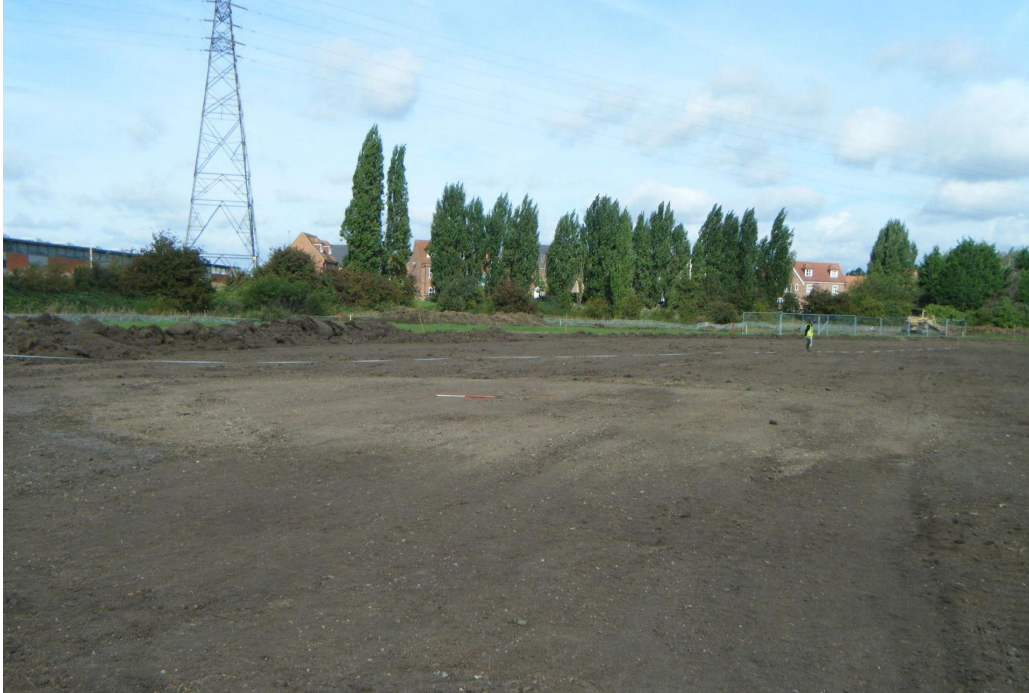
In 2010-11, CAT carried out a watching brief to record any archaeological remains ahead of development of the Knowledge Gateway research park at the University of Essex, close to the River Colne. We have known about the site’s rich heritage for a long time – it has been established that a Bronze Age cemetery containing five barrows exists to the west of the site. Three of the five burial mounds still existed, which is rare for Essex where archaeological features are often ploughed flat by farming. Excavations in 2004 also revealed a multi-period agricultural history from the Late Iron Age to the early Roman period. The 2010-2011 watching brief, however, revealed even more curiosities!
CAT used magnetometry to analyse any anomalies in the magnetic field of the archaeological remains, and found that there were intriguing interruptions in the ditches of the Bronze Age barrows. These have been interpreted as causeways, which may suggests that the monuments are ‘henge barrows’. Light Detection and Ranging (LIDAR) technology was also employed to analyse the ground surface and revealed what may be an additional barrow in the northwest. Excavation of a barrow pit also found a probable cremation burial, and re-use of the barrow cemetery may have taken place in the Roman period.
A total of 33 Bronze Age worked flints were recovered from the area of Barrow A, indicating that the site was used for more than just burials in prehistoric times. The poor quality of the flints suggests that the people who made them were distracted by the demands of farming and the appeal of more reliable metal tools
For more information, check out the CAT report here: http://cat.essex.ac.uk/reports/CAT-report-0638.pdf
Written by work experience student Alex
